
Finding the Perfect PA for Your Next Big Conference
Organising a successful conference in Pakistan, whether it’s a bustling industry summit in Karachi, a scholarly symposium in Lahore, or a corporate retreat in Islamabad, hinges significantly on one crucial element: crystal-clear audio. Imagine a keynote speaker delivering groundbreaking insights, only to be drowned out by echoes or unintelligible mumbling. Frustrating, isn’t it? This is precisely why investing in the best PA for conference environments is not just an option, but a necessity.
In this comprehensive guide, we’ll delve into the intricacies of selecting the ideal Public Address (PA) system for your next big event. We’ll explore the various components, considerations, and common pitfalls, ensuring your message resonates loud and clear with every attendee. By the end, you’ll be equipped with the knowledge to make an informed decision, guaranteeing an impactful audio experience that elevates your conference from good to truly exceptional.
Understanding Your Conference’s Audio Needs
Before you even begin to look at equipment, it’s vital to understand the specific audio requirements of your conference. There’s no one-size-fits-all solution, and what works for a small boardroom meeting certainly won’t suffice for a grand auditorium.
Venue Size and Acoustics
The physical space of your conference is the primary determinant of your PA system’s power and configuration.
- Small to Medium-Sized Rooms (up to 100 attendees): For these intimate settings, a simpler, more compact PA system might suffice. Think about a couple of active loudspeakers, a small mixer, and a few microphones. The aim here is clarity without overwhelming the space. Rooms with soft furnishings tend to have better acoustics, while those with hard surfaces can lead to echo, requiring careful speaker placement.
- Large Ballrooms or Auditoriums (100-500 attendees): These venues demand more robust systems. You’ll likely need multiple loudspeakers, potentially including subwoofers for richer sound, and a more sophisticated mixing console. Line array systems are often preferred here for their ability to project sound evenly across a wide area without significant drop-off.
- Outdoor Venues: Open-air conferences present unique challenges. Wind, ambient noise, and the lack of reflective surfaces mean you’ll need significantly more power and carefully positioned, weather-resistant speakers to ensure adequate coverage and intelligibility. Directional microphones can help mitigate wind noise.
Audience Size and Layout
The number of people attending and how they are seated will influence speaker placement and microphone requirements. A theatre-style setup will have different needs than a classroom or U-shaped arrangement. Ensure every attendee, regardless of their seat, has a clear audio experience.
Type of Content and Presenters
What kind of audio will be broadcast? Is it primarily spoken word, or will there be multimedia presentations with music and video?
- Speech-focused Conferences: Prioritise clarity and intelligibility for vocals. High-quality microphones and speakers designed for speech reproduction are crucial.
- Multimedia-rich Conferences: You’ll need a system capable of handling a wider frequency range, with good bass response for music and sound effects. Subwoofers become more important here.
- Interactive Sessions: Planning Q&A sessions? You’ll need wireless handheld microphones that can be easily passed around the audience.
Key Components of the Best PA for Conference Systems
A modern PA system for a conference is a sophisticated setup comprising several interconnected components, each playing a vital role in delivering pristine audio.
1. Microphones: Capturing the Voice
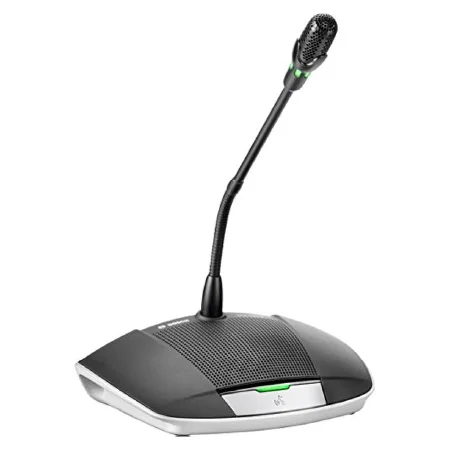
Microphones are the first link in the audio chain, and their quality directly impacts the final sound. Different types serve different purposes:
- Lectern/Gooseneck Microphones: Ideal for stationary speakers at a podium, offering clear, focused pickup. They are typically condenser microphones, known for their sensitivity and wide frequency response.
- Wireless Handheld Microphones: Essential for audience interaction, Q&A sessions, or presenters who move around the stage. Opt for systems with a good range and a reliable signal to avoid dropouts.
- Lapel (Lavalier) Microphones: Discreet and hands-free, perfect for presenters who need freedom of movement. Ensure they are correctly clipped to avoid clothing rustling.
- Headset Microphones: Offer even greater freedom of movement and consistent vocal pickup, as the microphone stays at a fixed distance from the mouth. Excellent for dynamic presenters.
- Boundary Microphones: Useful for panel discussions where multiple speakers are seated around a table. These flat microphones pick up sound from a wider area.
2. Mixing Console (Mixer): The Control Centre
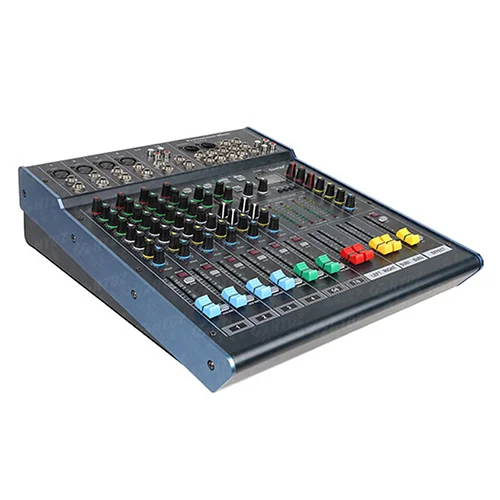
The mixer is where all audio inputs (microphones, laptops, video players) are combined, balanced, and sent to the amplifiers.
- Analogue Mixers: Traditional, tactile, and often preferred by experienced audio engineers for their hands-on control.
- Digital Mixers: Offer advanced features like onboard effects, scene memory, and remote control via tablets, making them versatile and powerful for complex setups. Many modern conferences benefit greatly from the flexibility of a digital mixer.
3. Amplifiers: Powering the Sound
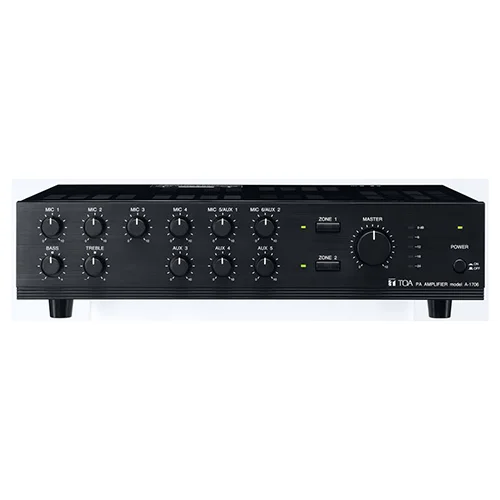
Amplifiers boost the low-level signals from the mixer to a sufficient wattage to drive the loudspeakers. The power output of the amplifier must be appropriately matched to the speakers to ensure optimal performance and prevent damage.
4. Loudspeakers: Projecting the Sound
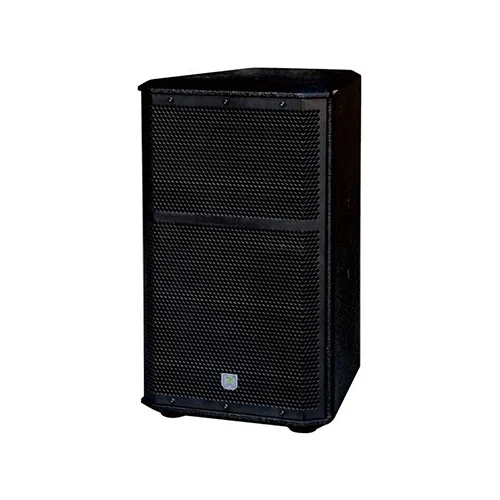
This is where the amplified audio is converted into audible sound waves. The choice of loudspeakers is critical for even coverage and clarity.
- Powered (Active) Speakers: Have built-in amplifiers, simplifying setup and reducing cable clutter. Often a good choice for smaller to medium-sized events.
- Passive Speakers: Require external amplifiers. Offer more flexibility in system design for larger, more complex setups.
- Line Array Speakers: Consist of multiple drivers arranged vertically. They are excellent for large venues as they provide precise control over sound dispersion, ensuring consistent volume and clarity from the front row to the back.
- Subwoofers: Essential for reproducing low-frequency sounds (bass) for music or impactful multimedia content. They add richness and depth to the overall audio experience.
- Monitor Speakers (Foldback): Crucial for presenters on stage, allowing them to hear themselves clearly. This prevents them from straining their voice and ensures a natural delivery.
5. Audio Processors and Accessories
These components fine-tune the audio and ensure smooth operation.
- Equalisers (EQs): Used to adjust the frequency response, helping to reduce feedback and tailor the sound to the room’s acoustics.
- Feedback Suppressors: Automatically detect and eliminate feedback (the dreaded squealing sound) before it becomes an issue.
- Cabling: High-quality, robust cabling is often overlooked but is fundamental for reliable signal transmission. Poor cables can introduce noise or lead to intermittent audio.
- Stands and Mounts: Ensure microphones and speakers are securely positioned for optimal performance and safety.
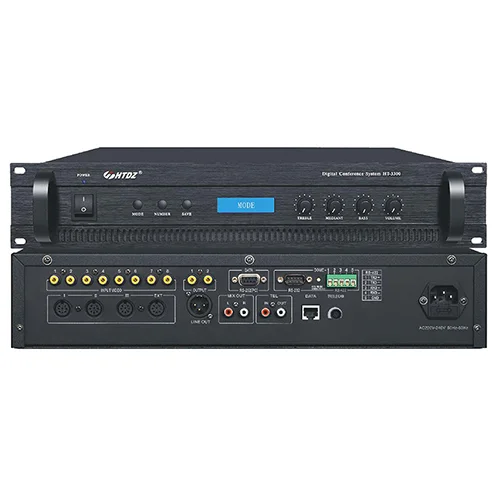
Choosing the Best PA for Conference: Key Considerations
Now that we’ve covered the components, let’s look at the practical aspects of making your selection.
1. Budget Allocation
Audio equipment can range from affordable to incredibly expensive. Establish a realistic budget early on. Remember, while cutting costs might seem appealing, compromising on audio quality can significantly detract from the conference experience. Think of it as an investment in your event’s success.
2. Scalability and Flexibility
Will your PA system need to adapt to different venue sizes or event types in the future? Opt for a modular system that can be expanded or reconfigured as needed. This flexibility ensures your investment remains relevant over time.
3. Ease of Use vs. Professional Operation
For smaller events, a simple, intuitive system might be ideal if you don’t have dedicated audio engineers. However, for larger, more complex conferences, a professional-grade system operated by experienced technicians will deliver superior results. Don’t underestimate the expertise required to properly set up and mix live sound.
4. Portability and Setup Time
If you’re moving your equipment between venues, portability is a key factor. Compact, lightweight systems with quick setup times can save valuable time and effort. For permanent installations, this is less of a concern.
5. Reliability and Brand Reputation
When choosing the best PA for conference use, reliability is paramount. Equipment failure during a live event is a nightmare. Research reputable brands known for their durability and sound quality. Look for brands that offer good customer support and readily available spare parts, which is particularly important in the Pakistani context.
6. Technical Support and Maintenance
Consider the availability of local technical support. Can you get assistance quickly if an issue arises? Regular maintenance can prolong the life of your equipment and prevent unexpected failures. Many professional AV companies, like our brand AV Solutions, offer comprehensive support and maintenance packages.
Why Professional AV Solutions Matter
While understanding the technical aspects is crucial, many organisations in Pakistan find it more efficient and effective to partner with professional Audio-Visual (AV) solution providers. Companies like AV Solutions specialise in designing, installing, and managing PA systems tailored for conferences.
Benefits of Engaging an AV Partner:
- Expert Consultation: They can assess your specific needs and recommend the most suitable equipment, preventing costly mistakes.
- Access to High-End Equipment: Professional AV companies often have access to the latest and most advanced PA systems, including line arrays and digital mixers, which might be too expensive to purchase outright.
- Skilled Technicians: Experienced audio engineers ensure proper setup, sound checks, and real-time mixing, guaranteeing optimal audio quality throughout your event.
- Troubleshooting and Support: In case of any technical glitches, they are on-site to resolve issues swiftly, ensuring a seamless experience.
- Logistics and Setup: They handle all the heavy lifting, cabling, and intricate setup, allowing you to focus on the conference content.
For a truly professional and stress-free audio experience at your conference, collaborating with an expert like AV Solutions can make all the difference. They understand the nuances of acoustics in various Pakistani venues and can provide a bespoke solution that truly delivers the best PA for conference needs.
Frequently Asked Questions
Q1: How much power (wattage) do I need for my conference PA system?
A1: The required wattage depends heavily on your venue size, audience capacity, and desired sound pressure levels. As a rough guide, a small conference room might need 100-200 watts, while a large ballroom could require several thousand watts. It’s best to consult with an AV professional who can accurately calculate the power needs based on your specific venue and programme.
Q2: Is it better to buy or rent a PA system for a conference?
A2: For organisations that host conferences frequently, purchasing might be a viable long-term investment. However, for one-off or infrequent events, renting is often more cost-effective. Renting provides access to high-quality, well-maintained equipment without the capital outlay, storage, or maintenance responsibilities. It also allows you to scale the system precisely to each event’s needs.
Q3: What causes feedback, and how can I prevent it?
A3: Feedback, the piercing squeal, occurs when sound from a speaker is picked up by a microphone, amplified, and re-emitted by the speaker in a continuous loop. It’s often caused by microphones being too close to speakers, too loud, or pointed directly at speakers. Prevention involves proper microphone and speaker placement, using directional microphones, employing equalisers to cut problematic frequencies, and using feedback suppressors. A skilled audio engineer is adept at managing feedback.
Q4: Should I use wired or wireless microphones for my conference?
A4: Both have advantages. Wired microphones offer maximum reliability and superior sound quality as they are not subject to interference, making them ideal for fixed positions like a lectern. Wireless microphones provide freedom of movement, which is excellent for dynamic presenters or audience Q&A. For the best PA for conference setup, a combination of both is often used, balancing reliability with flexibility.
Q5: What’s the difference between an active and passive speaker?
A5: An active (or powered) speaker has an amplifier built into its enclosure, meaning you simply plug it into a power source and an audio signal. A passive speaker requires an external amplifier to power it. Active speakers are generally easier to set up for smaller systems, while passive systems offer more flexibility for customisation and larger-scale installations, often preferred by professional sound engineers.
Conclusion
Selecting the best PA for conference success in Pakistan is a critical decision that impacts the overall experience of your attendees. From the initial assessment of your venue and content to the careful selection of microphones, mixers, amplifiers, and loudspeakers, every component plays a vital role. While understanding these elements is empowering, the complexity of modern audio systems often warrants the expertise of seasoned professionals.
By prioritising clarity, reliability, and thoughtful planning, you can ensure that every word spoken, every piece of music played, and every video presented is heard with impeccable quality. Whether you choose to build your system or partner with a trusted provider like AV Solutions, remember that excellent audio is the cornerstone of an engaging and memorable conference. Invest wisely, and let your message resonate powerfully across the room.